
PRODUCTS
PRODUCTS
Further Information
Control the temperature of the rolls
Category:
E-mail:
Whatsapp:
-
1. Control the temperature of the rolls
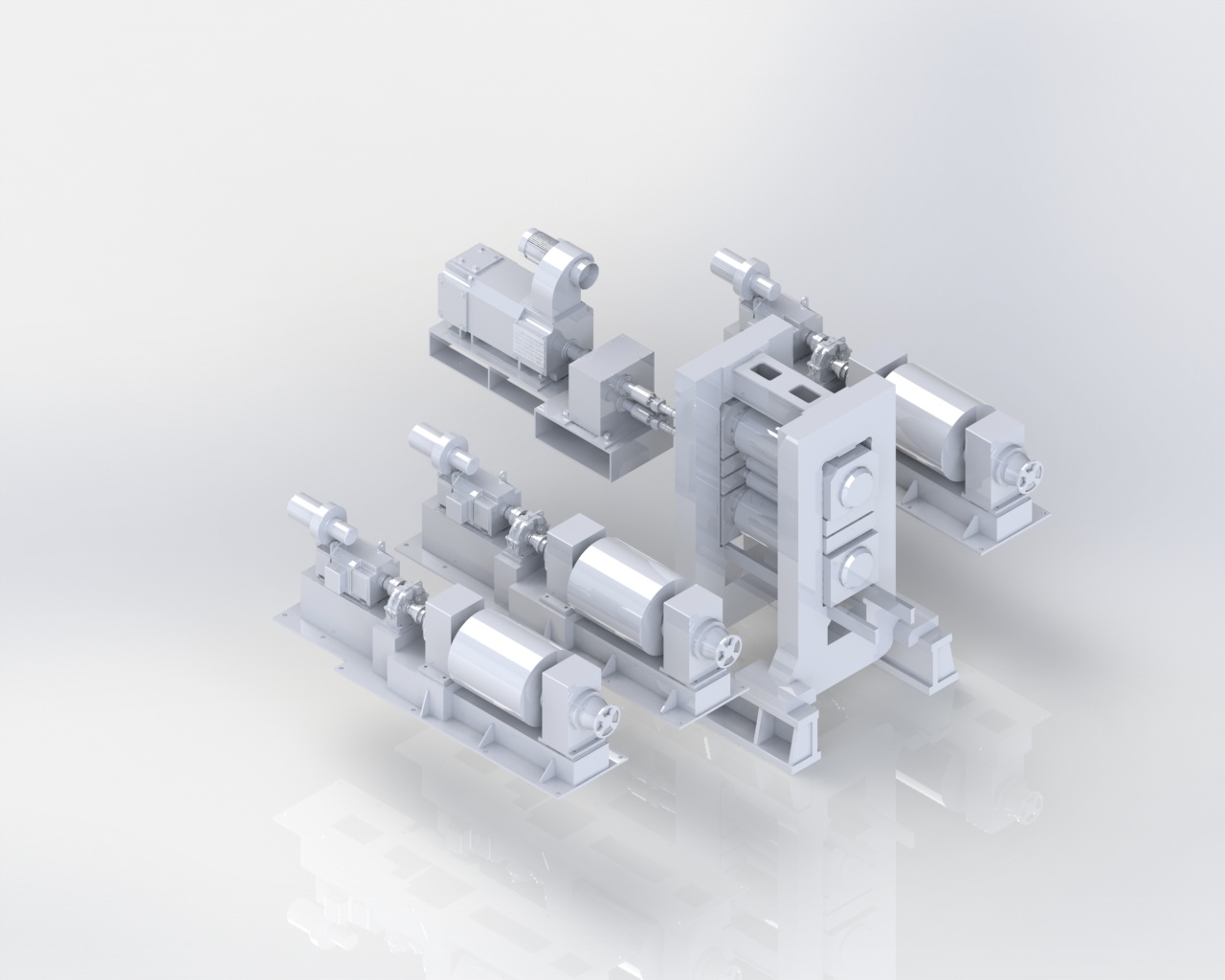
During the rolling process of aluminum foil, the rolls will heat up due to the friction between the aluminum foil and the deformation heat of the metal. If the temperature of the rolls is too high, the hardness and strength of the rolls will be reduced, affecting the service life of the rolls.
The cooling system continuously sprays coolant onto the surface of the rolls to take away the heat and keep the rolls within the appropriate temperature range, thereby ensuring the stability of the mechanical properties of the rolls.
For example, during high-speed rolling, the temperature of the rolls rises very quickly. The cooling system must be able to respond quickly and reduce the temperature of the rolls in time to prevent problems such as thermal fatigue and thermal cracks on the rolls.
2. Ensure the dimensional accuracy of the aluminum foil
The change in the temperature of the rolls will cause the thermal expansion of the rolls, which in turn affects the thickness and plate shape accuracy of the aluminum foil.
A stable cooling system can control the temperature change of the rolls within a small range, reduce the impact of the thermal expansion of the rolls, and ensure the thickness uniformity and good plate shape of the aluminum foil.
For example, if the cooling is uneven, the temperature difference between the two ends and the middle of the rolls may cause the aluminum foil to be thick in the middle and thin on both sides, affecting the product quality.
1. Reduce Friction
During the rolling process of aluminum foil, there is a huge friction between the roller and the aluminum foil. The process lubrication system forms a lubricating film by spraying the lubricating fluid between the roller and the aluminum foil, reducing the friction coefficient and reducing energy loss.
This can not only improve the rolling efficiency, but also reduce the wear of the roller and the aluminum foil, and extend the service life of the equipment and mold.
For example, in the absence of lubrication, the friction between the roller and the aluminum foil may cause scratches on the roller surface, affecting the surface quality of the aluminum foil.
2. Improve the surface quality of aluminum foil
The lubricating fluid can fill the microscopic defects on the surface of the aluminum foil, making the surface of the aluminum foil smoother and improving the surface finish of the aluminum foil.
At the same time, the lubricating fluid can also prevent the aluminum foil from contacting with oxygen in the air during the rolling process, reduce oxidation, and improve the surface quality and corrosion resistance of the aluminum foil.
For example, good lubrication can reduce defects such as scratches and pitting on the surface of the aluminum foil, so that the aluminum foil has a better appearance and performance.
3. Assist heat dissipation
In addition to the cooling system, the process lubricating fluid also has a certain heat dissipation effect. It can take away some of the heat generated during the rolling process and work with the cooling system to maintain the temperature balance during the rolling process.
For example, in some high-temperature rolling environments, the heat dissipation of the lubricant can assist the cooling system to ensure that the temperature of the rolls and aluminum foil is within the appropriate range.
Key words:
Previous Page:
Next Page
Message
Tel:
E-mail:
Address:
Economic Development Zone , Gongyi, China.
Message
Copyright © Zhengzhou Hengzhong Heavy Industry Machinery Manufacturing Co., Ltd.
Powered by :www.300.cn Supported IPV6 Privacy Agreement
SAF Coolest v1.3 设置面板 PVDSD-ZFUA-BAXAE-ZQQ
无数据提示
Sorry, there is no content in the current section!
You can view other columns or return to Home